Robot vacuums — autonomous, battery-powered cleaning machines that navigate your floors on their own and return to a charging base when finished — have gone from novelty to genuine household utility in the past few years. If you’ve been shopping the mid-range tier (roughly $300–$600), you’ve probably already eliminated the cheapest bump-and-bounce models that just ricochet around a room hoping for coverage. What you’re comparing now are machines with real navigation smarts: laser mapping, app-based scheduling, and self-emptying bases that mean you don’t touch a dustbin for weeks. The decision between iRobot’s Roomba 105 and 105X, the Roborock Q7, and the Shark Matrix isn’t obvious, because these three brands have genuinely different philosophies — and each one has a failure mode that owners keep running into. This article lays out the honest trade-off map so you can match the right machine to your actual situation.
Navigation and Cleaning Performance: Where Each Brand Earns Its Reputation
Let’s start with what robot vacuums are fundamentally supposed to do: clean your floors completely, without you thinking about it.
iRobot Roomba 105 and 105X
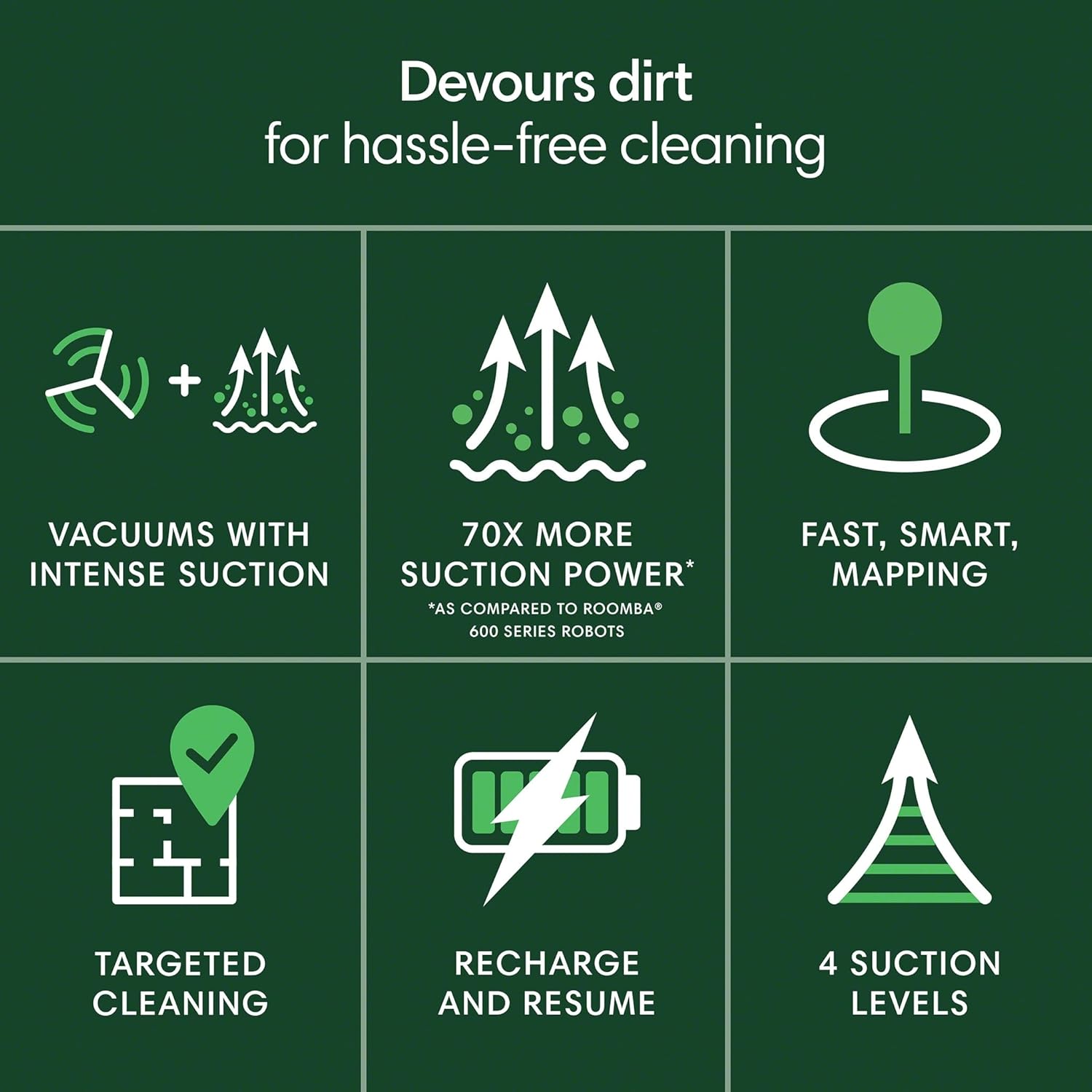
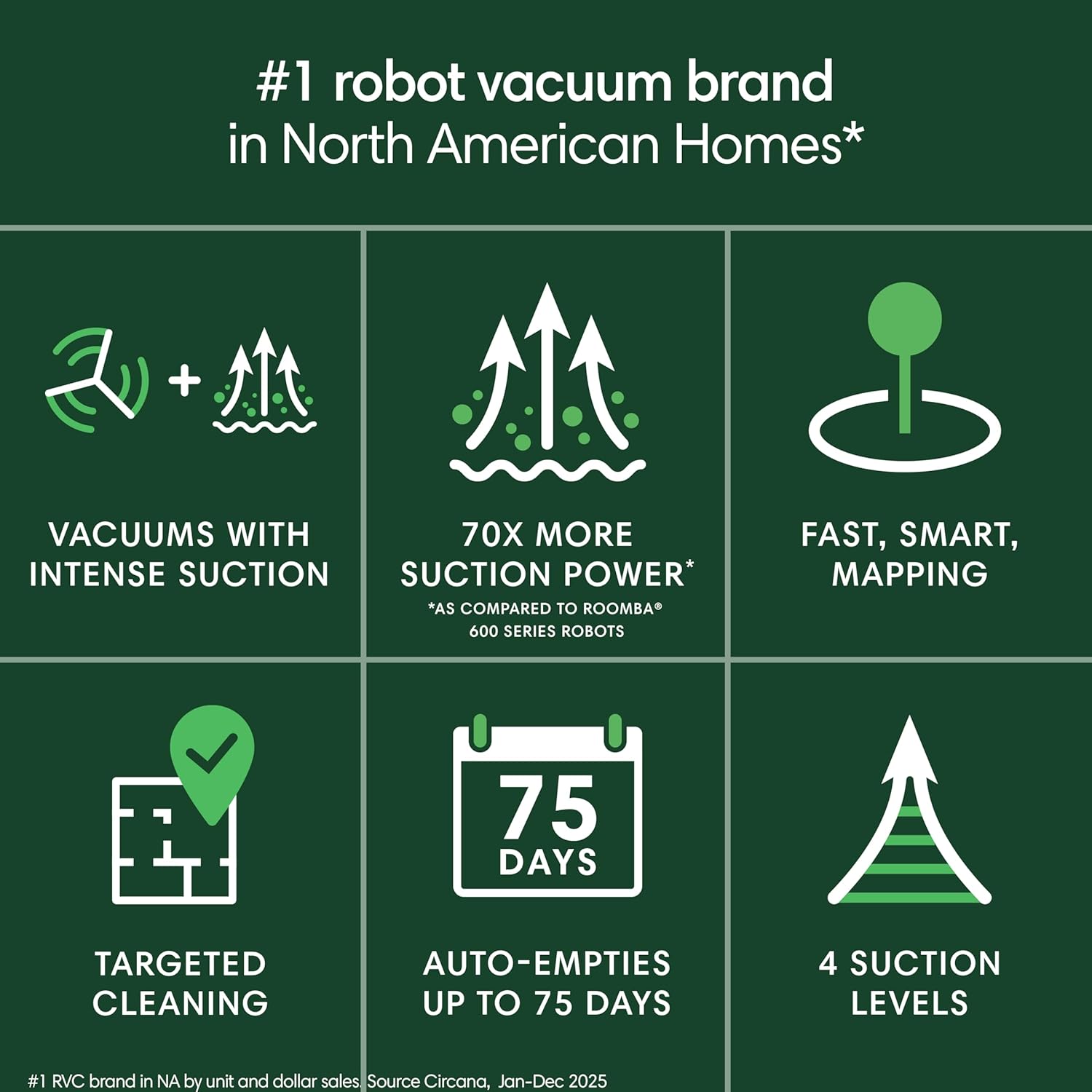
The Roomba 105 and 105X represent iRobot’s clearest departure from the company’s old random-bounce era. Owners who upgraded from bump-navigation Roombas consistently describe the jump as “vastly improved” — the 105 uses a front-facing camera system to build a room map rather than relying purely on infrared bumping. The practical result is more systematic coverage and fewer missed strips. The 105X, the more powerful sibling, earns particularly strong marks for raw suction. Reviewers report that first runs on neglected floors — the kind where you’ve delayed cleaning for a few weeks — can run 90 minutes and still come back with a full bin. That’s a real signal about extraction power.
Where the Roomba line runs into trouble isn’t the cleaning itself — it’s the battery capacity relative to floor area. Multiple owners flag a consistent pattern: the 105 runs out of charge after two rooms in homes larger than about 1,000 square feet, retreats to its base, and the recharge cycle is slow. For a 1,200+ square foot open floor plan, this means either running multiple charge-and-resume cycles across several hours, or accepting incomplete coverage in a single session. That’s a meaningful limitation if your home is over 1,200 square feet and you’re running it daily.
Wirecutter’s ongoing robot vacuum coverage (New York Times, “The Best Robot Vacuums,” 2025–2026 editions) consistently flags battery runtime as the primary constraint when recommending the Roomba 105 line for large-home buyers.
iRobot
$248.98
In stock on Amazon
Check price on AmazonRoborock Q7
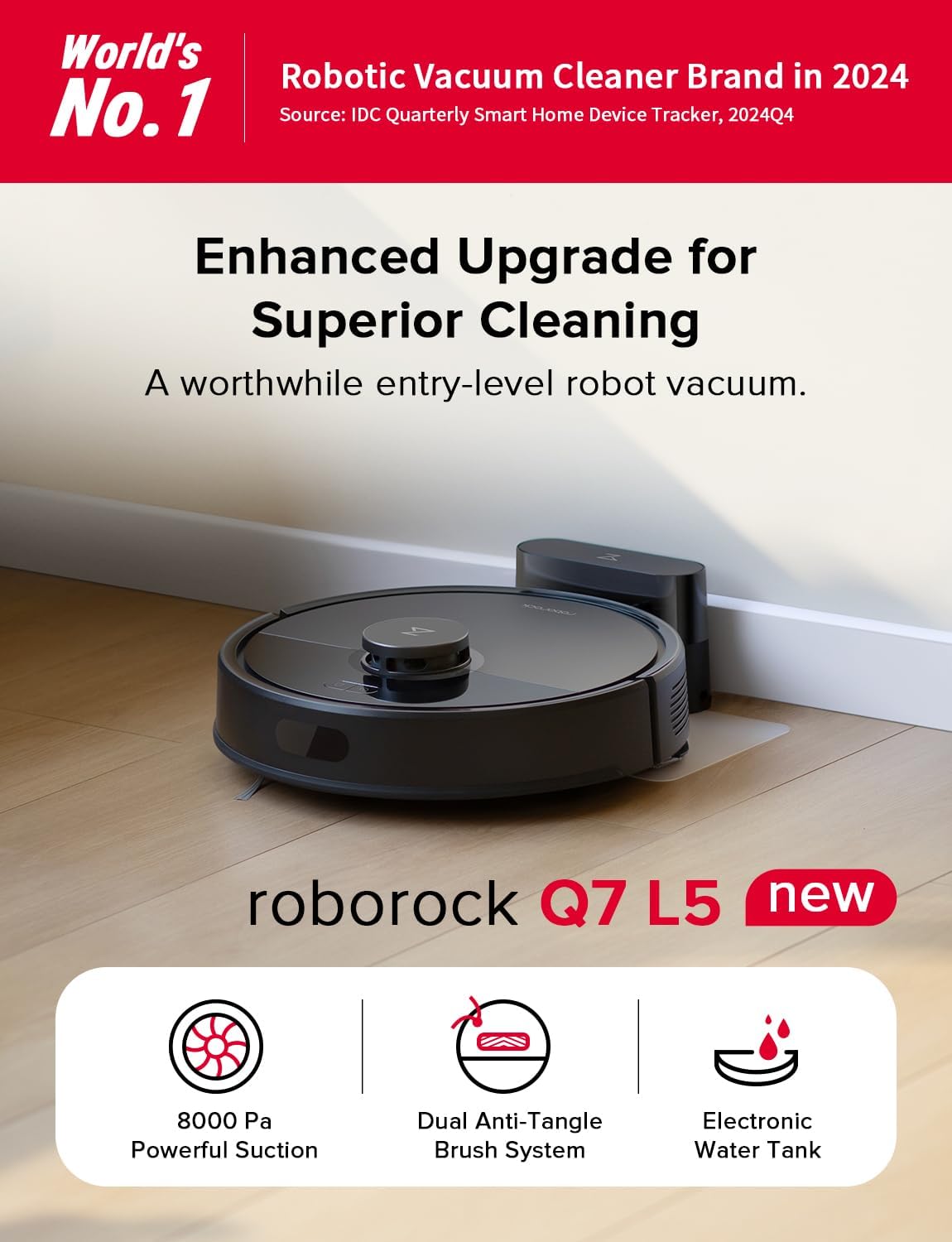
The Roborock Q7 is the navigation standout in this tier. The Q7 uses LiDAR — a spinning laser sensor that pulses light off walls and furniture to build a precise map — and owners are enthusiastic about coverage reliability in a way that borders on affection. The systematic room-by-room path the Q7 follows generates genuine confidence that it hit every strip. IEEE Spectrum’s 2024 navigation overview, “How Robot Vacuum Navigation Has Evolved,” notes that LiDAR-equipped vacuums maintain map fidelity significantly better than camera-only systems in low-light environments — a distinction that matters for evening or overnight scheduled runs. The combo mop-and-vacuum functionality is a meaningful differentiator if you have hard floors, though we address what it can and can’t do in the FAQ below.
The Roborock Q7’s Achilles heel is firmware stability. A troubling pattern appears in aggregated owner reviews: some units experience navigation failures, map corruption, or full operational failure following firmware updates — and Roborock’s resolution path has sometimes required multiple unit replacements. Wired’s “The Best Robot Vacuums We’ve Tested” (2025) notes that software reliability is an area where Roborock’s otherwise strong hardware advantage gets complicated, particularly for owners who allow automatic firmware updates without monitoring release notes first.
Shark
$269.99
In stock on Amazon
Check price on AmazonShark Matrix
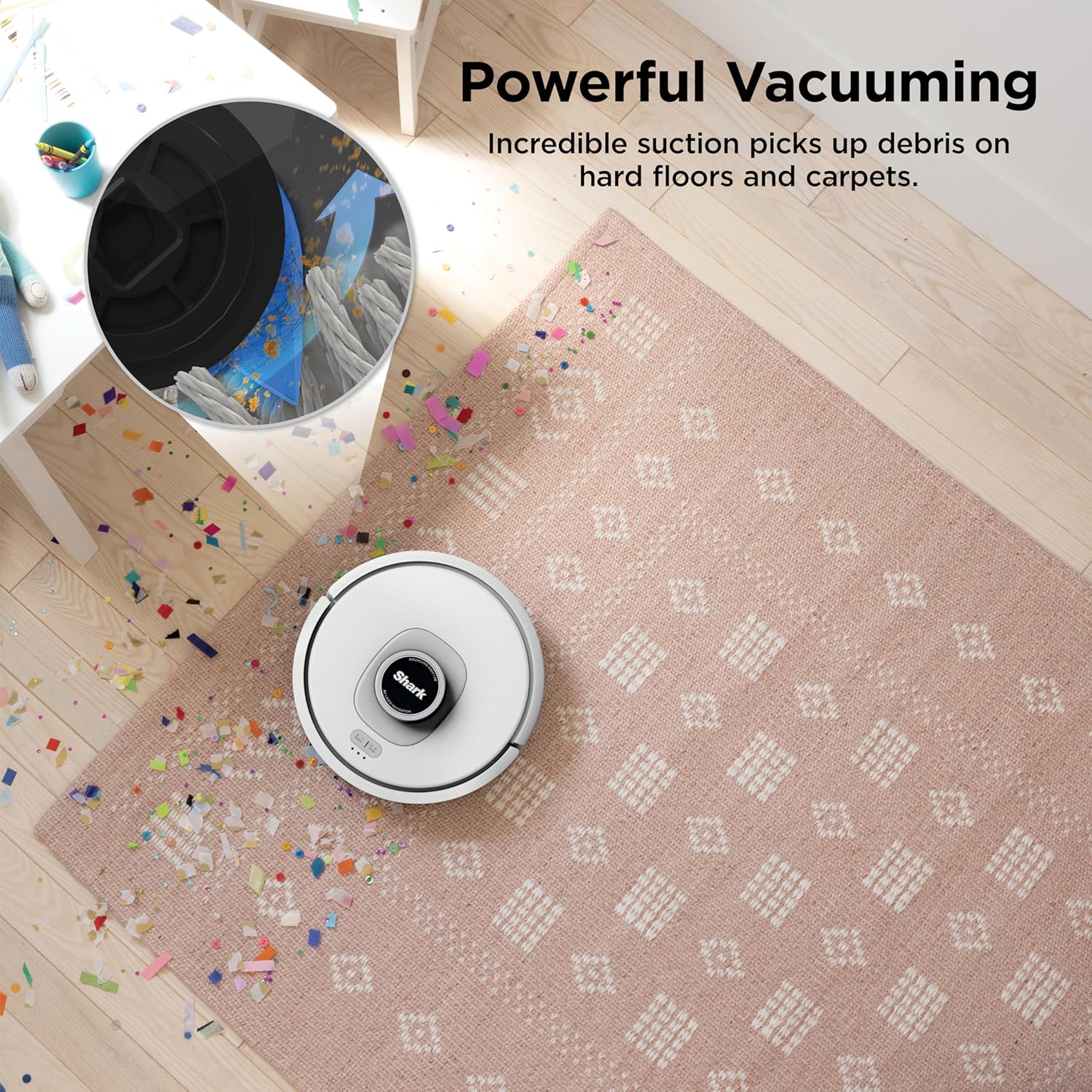
The Shark Matrix takes a different approach to the performance question: it prioritizes clean-and-release simplicity over the most sophisticated navigation. The Matrix uses what Shark calls “Matrix Clean” grid-based navigation — a systematic row pattern that is effective on open floor plans. Owners report very few stuck incidents, which is a real operational advantage in homes with varied furniture layouts. The 60-day self-empty base is the headline feature, and it genuinely earns praise from owners with high-shedding pets who don’t want to think about the dustbin.
The Shark Matrix’s known vulnerability is Wi-Fi connectivity. Wired’s smart home coverage and aggregated owner reports both surface cases of units that simply won’t maintain a stable app connection — and in documented owner accounts, hours with technical support did not resolve the issue, ending in a return. This is not universal, but it is frequent enough to be a risk factor worth weighing if app-based scheduling is central to your use case.
roborock
$139.99
In stock on Amazon
Check price on AmazonThe Honest Numbers: Coverage, Capacity, and the Self-Empty Trade-off
Here is a quick reference frame to anchor the comparison before going deeper into application scenarios.
By the Numbers
- Roomba 105 rated battery runtime: approximately 75 minutes per charge (manufacturer specification)
- Roborock Q7 rated battery runtime: approximately 180 minutes per charge (manufacturer specification)
- Shark Matrix self-empty base capacity: approximately 60 days between base emptying (Shark claim, partially validated by pet-owner reviewers under moderate-shed conditions)
- LiDAR navigation accuracy: IEEE Spectrum, “How Robot Vacuum Navigation Has Evolved,” 2024, notes LiDAR-equipped vacuums maintain map fidelity significantly better than camera-only systems in low-light environments
The runtime gap between the Roomba 105 and the Roborock Q7 is the single most load-bearing spec difference in this comparison. For anything over 1,000 square feet, it is not a marginal edge — it is the difference between a single-session clean and a multi-cycle process that may span an entire afternoon.
App Reliability and Scheduling: The Invisible Purchase Risk
This is the category that separates the people who love their robot vacuum from the people who quietly go back to pushing a traditional vacuum around.
Roomba 105X App and Software
The 105X’s scheduling reliability is genuinely mixed in owner feedback. The cleaning hardware earns consistent praise — the 105X pulls well and handles carpet-to-hard-floor transitions smoothly. But multiple owners flag software glitches: missed scheduled runs, app disconnections, and occasional map resets that require re-teaching the robot your floor plan. TechCrunch’s 2024 piece “iRobot After the Amazon Deal: What Comes Next” noted that software investment continuity was a legitimate open question following iRobot’s ownership transition, and that uncertainty appears to have created some product-line instability that filters through into owner experiences. For users who need precise daily scheduling without periodic app babysitting, this is worth factoring in before purchase.
iRobot
$248.98
In stock on Amazon
Check price on AmazonRoborock Q7 App and Firmware
The Roborock Q7 app is generally well-regarded when the firmware is stable — owners describe scheduling as set-and-forget reliable under normal conditions. The app is more feature-rich than Shark’s, which matters if you want room-specific scheduling, no-go zones, or mopping-only modes. The problem is that “normal conditions” sometimes ends with a firmware push. The pattern of post-update failures means you are taking on a small but real risk of a working robot becoming a non-working robot on a random Tuesday after an automatic update. The practical mitigation: disable automatic firmware updates and monitor Roborock’s release notes before manually applying any update.
Shark
$269.99
In stock on Amazon
Check price on AmazonShark Matrix App and Connectivity
Shark’s app earns the most moderate grades — functional and relatively stable, but owners report it is less sophisticated than Roborock’s. For someone who just wants “run every morning at 8am,” that simplicity is acceptable. For someone who wants granular zone control or multi-floor mapping, it is limiting. The Wi-Fi connectivity issue noted above compounds the scheduling problem: if the unit loses its app connection, scheduled runs may not trigger at all, and the only reliable workaround in those cases has been a manual button press on the unit itself.
The emotional attachment factor is worth naming explicitly because it shows up consistently across all three brands in owner reviews: people name their robots. This correlates, in the aggregate review pattern, with higher satisfaction scores even when technical complaints co-exist. The robot that feels like it is trying — that has a personality in your home — earns more patience during a rough firmware week. It is not a spec, but it is real.
roborock
$139.99
In stock on Amazon
Check price on AmazonThe “If X, Then Y” Decision Framework
You have read the trade-offs. Here is how to resolve them by situation:
If your home is under 1,000 square feet and you have carpet: The Roomba 105X’s raw suction and carpet-handling are its strongest suit, and the battery limitation is less punishing at smaller scale. The scheduling unreliability is a real irritant but not a dealbreaker if you are willing to manually trigger runs occasionally.
If your home is over 1,200 square feet, mostly hard floors, and you want set-and-forget scheduling: The Roborock Q7 is the cleaner’s choice — but buy from a retailer with a generous return window and check whether your unit’s firmware is stable before that window closes. The LiDAR navigation and runtime spec make it the most capable machine in this tier for large floor plans.
If you have two or more heavy-shedding dogs or cats and just want a bin you do not have to touch for months: The Shark Matrix’s 60-day base capacity is the real differentiator here, and its low stuck-incident rate means it is genuinely low-maintenance. If you can live with a less sophisticated app and do not need room-specific scheduling, this is the operational simplicity pick.
If Wi-Fi connectivity is unreliable in your home or you have had smart home device issues before: This is a risk multiplier for the Shark Matrix specifically — its known Wi-Fi vulnerability is more likely to surface in already-marginal network environments. The Roborock Q7 handles connectivity more robustly in owner reports.
Frequently Asked Questions
How does the Roomba 105 battery hold up in homes larger than 1,200 square feet? Not well enough for a single-session clean, based on the consistent owner pattern. The 105’s approximately 75-minute runtime means it will return to base mid-job in most homes over 1,000 square feet and need a full recharge before resuming. If your floor plan is 1,200+ square feet, expect a multi-cycle process that may span several hours, or plan to run it daily to maintain coverage rather than getting the whole floor in one go. The Roborock Q7’s approximately 180-minute spec is specifically why it is the large-home recommendation.
Will the Roborock Q7 mop actually clean grout lines? No — and it is important to calibrate expectations here. The Q7’s mopping system is a vibrating pad with controlled water release. It handles surface-level grime on sealed hard floors effectively, and owners on smooth tile report satisfying results for daily maintenance mopping. Grout lines — especially recessed or textured ones — require pressure and scrubbing action that a passive pad system cannot provide. Think of the Q7 mopping as damp wiping rather than scrubbing. For grout-line cleaning you will still need a dedicated tool.
What causes robot vacuums to disconnect from Wi-Fi and is there a fix? The most common causes, per Wired’s smart home troubleshooting coverage in “The Best Robot Vacuums We’ve Tested” (2025), are: 5GHz vs. 2.4GHz band conflicts (most robot vacuums require 2.4GHz; if your router auto-selects bands, the vacuum may attempt to connect to 5GHz and fail), IP address conflicts on crowded home networks, and router firmware updates that change network behavior. The standard fix sequence is: confirm your router broadcasts a visible 2.4GHz network, assign the robot vacuum a static IP via your router’s DHCP reservation settings, and re-pair from scratch. If those steps do not resolve it — as documented in multiple Shark Matrix owner accounts — the unit may have a hardware Wi-Fi module issue, and a return is the realistic outcome.
Does the Shark Matrix 60-day self-empty base really last that long with two shedding pets? Owner reports suggest 60 days is realistic under moderate shedding conditions, but with two high-shed pets running daily, plan for something closer to 30–45 days between base empties. The mechanism is essentially a vacuum-bag system inside the base dock — hair-heavy debris compresses less efficiently than fine dust, so effective capacity drops with pet load. Still meaningfully better than the 10–15 day cycles owners report on comparable self-empty bases, and the reduction in manual intervention is the point even if the number falls short of the marketing claim.
Is the Roomba 105X app reliable enough for scheduled daily cleaning? Reliable enough for most users, but with documented exceptions. The pattern in owner reviews is that scheduling works correctly for weeks or months, then experiences a glitch — a missed run, a lost schedule, or an app-connectivity drop — that requires a reset or reinstall. TechCrunch’s 2024 coverage of iRobot’s post-acquisition transition period identified software investment continuity as an open question, and that uncertainty has filtered through into inconsistent owner experiences. For users who need precise daily scheduling without periodic check-ins, the Roborock Q7 on stable firmware delivers more consistent scheduling fidelity in owner reports.